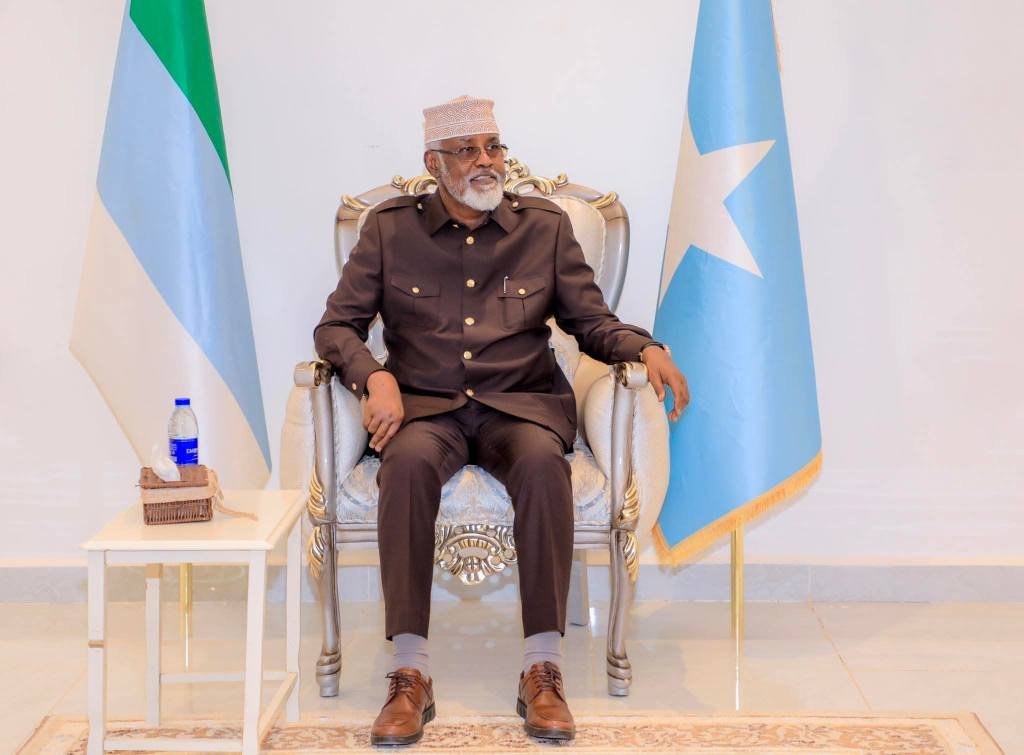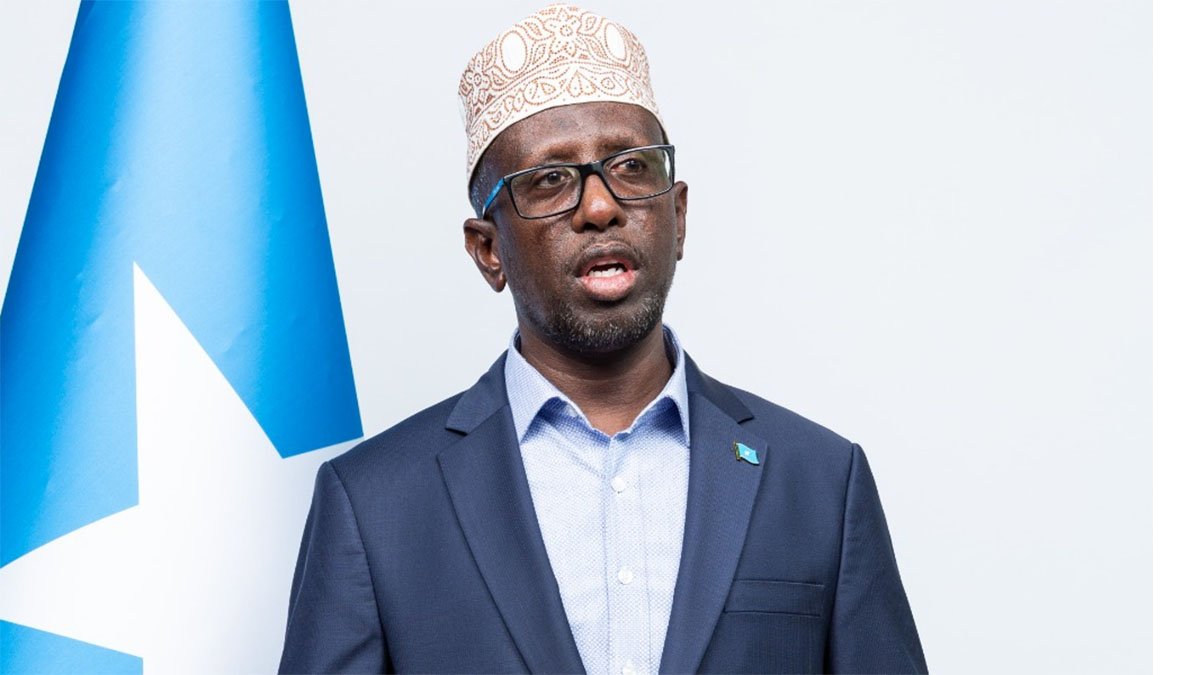
Leadership During One of Somalia’s Most Difficult Periods
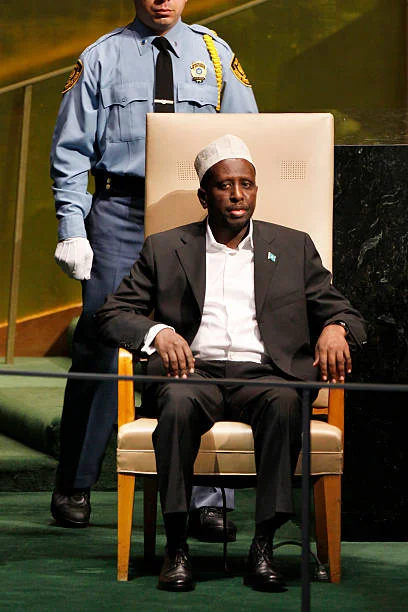
Sheikh Sharif Sheikh Ahmed is widely remembered as one of the Somali leaders who assumed office during one of the most challenging periods in the country’s modern history. At the time, Somalia was facing institutional collapse, prolonged armed conflict, economic hardship, insecurity, and deep political fragmentation.
The administration he led operated under extremely difficult conditions. Somalia lacked a functioning national economy, government institutions were weak or nonexistent, and the country remained trapped in a prolonged transitional phase. Despite these challenges, Sheikh Sharif focused his leadership on restoring state institutions, rebuilding public confidence, and laying the foundations for long-term national recovery.
Leading Somalia Out of the Transitional Period
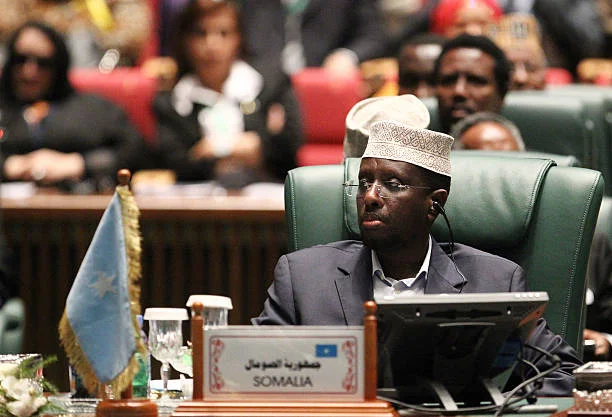
One of the defining achievements associated with Sheikh Sharif Sheikh Ahmed’s presidency was his role in helping Somalia move beyond its lengthy transitional political system.
During his tenure:
- The Provisional Federal Constitution was drafted and adopted.
- Key national institutions were reestablished.
- The Central Bank of Somalia resumed operations.
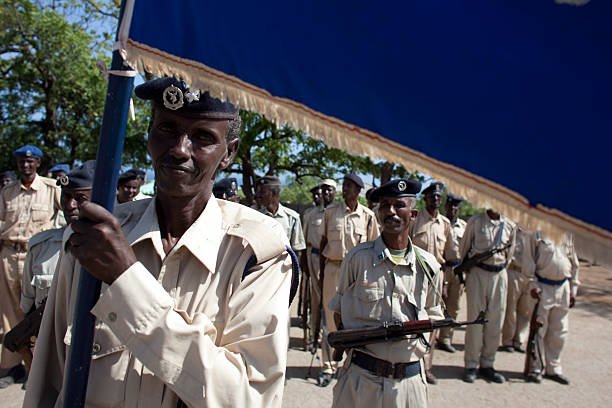
- Formal legal and security institutions were rebuilt.
- Somalia began transitioning toward the federal system that exists today.
Political analysts frequently describe the institutional framework established under his administration as the foundation that enabled Somalia to emerge from years of transitional governance and move toward a more permanent federal state structure.
Rebuilding National Security and Restoring Stability
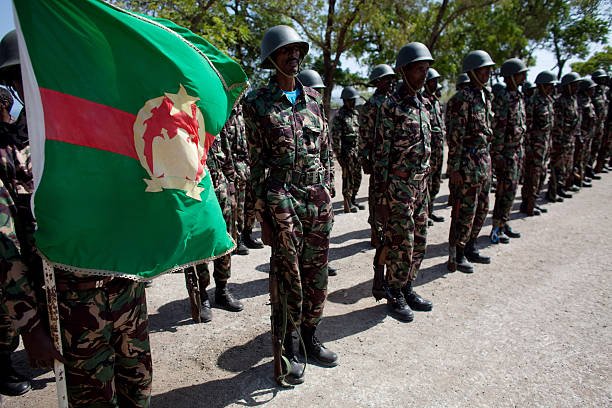
When Sheikh Sharif assumed office, Mogadishu was a city devastated by violence, bombings, and daily armed conflict. His administration prioritized the reconstruction of Somalia’s national security forces and the stabilization of the capital.
Under his leadership:
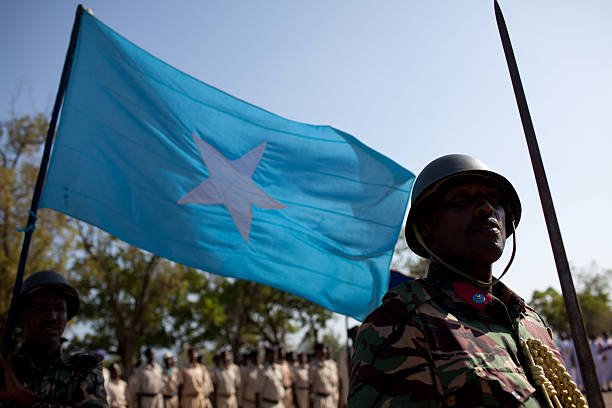
- The Somali National Army was reestablished.
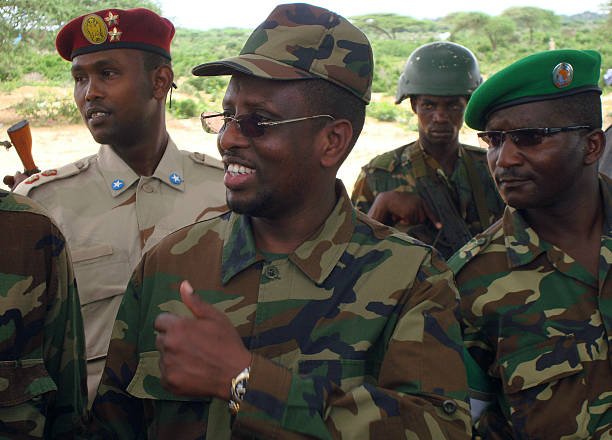
- Former military officers were reorganized into national structures.
- A functioning national security force began taking shape.
- Al-Shabaab was pushed out of Mogadishu in 2011.
That military progress is widely viewed as a historic turning point, as it marked the beginning of relative stability and the return of commercial activity to the Somali capital after years of conflict.
A Presidency Defined by Financial Integrity and Accountability
In discussions surrounding governance and public finance, Sheikh Sharif Sheikh Ahmed is often described by supporters and political observers as a leader associated with financial discipline, accountability, and restraint in the management of public resources.
Many Somali political commentators credit him with:
- Avoiding corruption and abuse of public office.
- Managing national resources without favoritism or political patronage.
- Maintaining transparency and accountability in government spending.
- Protecting public funds despite severe financial limitations.
At the time, Somalia’s government had minimal revenue and virtually no stable national budget. Nevertheless, his administration is remembered for attempting to establish financial management systems based on accountability and institutional discipline rather than personal enrichment.
Supporters frequently argue that Sheikh Sharif did not treat public office as a means of accumulating personal wealth, but rather as a national responsibility centered on rebuilding the state.
He is also widely regarded by many Somalis as one of the few leaders who left office without major allegations of corruption, misuse of state resources, or personal enrichment — a reputation that continues to shape his political image today.
Responding to Humanitarian Crises and Restoring International Confidence
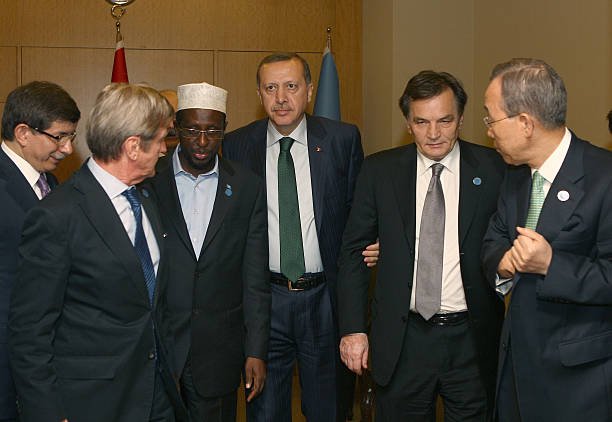
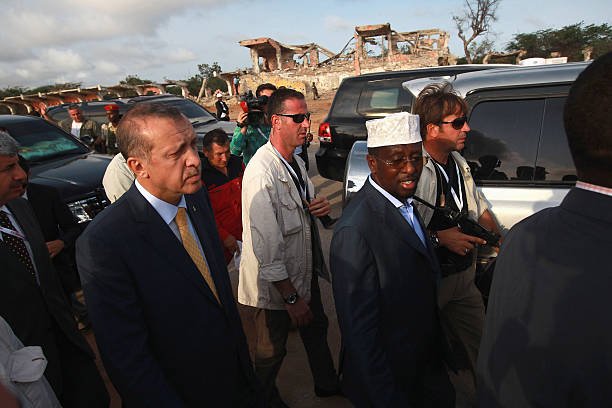
During Sheikh Sharif’s presidency, Somalia experienced severe droughts and humanitarian emergencies that displaced large numbers of civilians and intensified food insecurity across the country.
At the height of the crisis, Sheikh Sharif actively appealed to the international community for urgent humanitarian assistance. His diplomatic efforts contributed to:
- Increased international humanitarian aid.
- Greater global engagement with Somalia.
- The return of international confidence in the Somali government.
- Expanded support from foreign governments and international organizations.
Despite operating with limited financial resources, his administration was often credited with attempting to govern through consultation rather than coercion, while avoiding authoritarian practices and political repression.
A Political Figure Known for Dialogue and Reconciliation
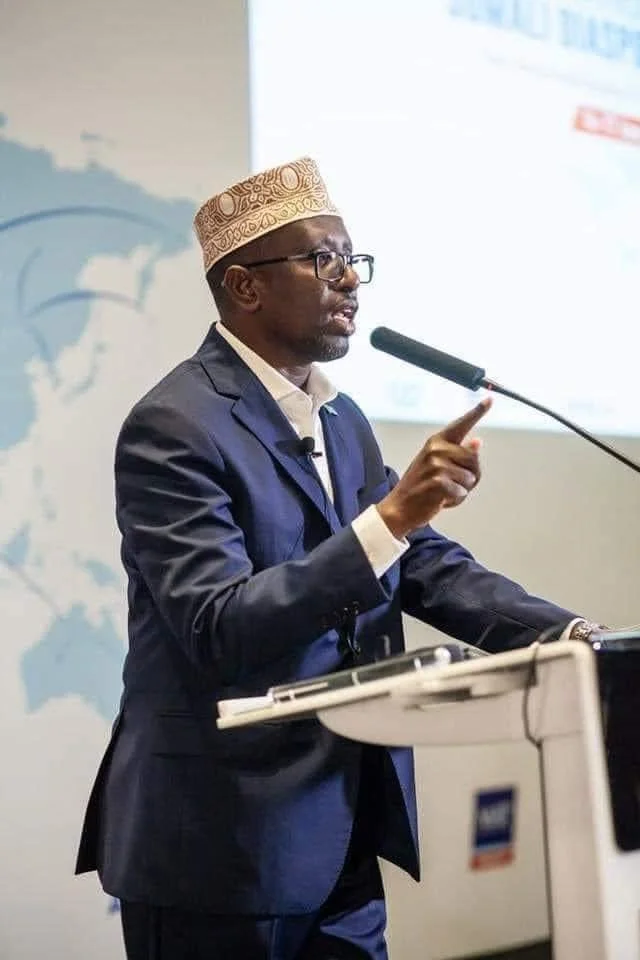
Sheikh Sharif Sheikh Ahmed has long been recognized as a politician who believes in dialogue, political compromise, and reconciliation. Both during and after his presidency, he consistently advocated for resolving national disputes through consultation and negotiation rather than confrontation.
He is frequently described as a leader who:
- Rejected authoritarianism.
- Valued political inclusivity.
- Supported national reconciliation.
- Promoted justice, stability, and institutional development.
This political approach contributed to his reputation as a moderate statesman capable of navigating Somalia’s deeply complex political environment.
Why Many View Him as a Strong Presidential Candidate
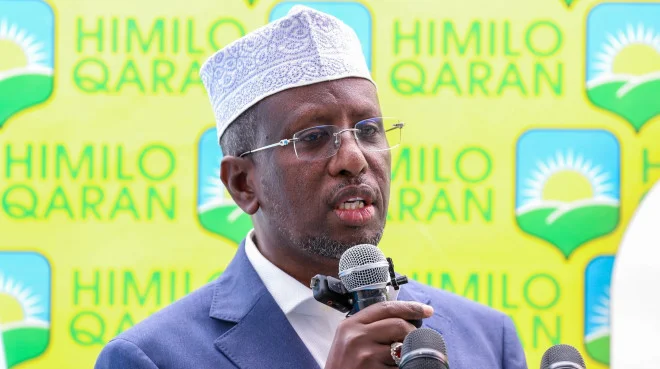
As Somalia continues to face ongoing political, economic, and security challenges, many observers believe Sheikh Sharif Sheikh Ahmed remains one of the country’s most experienced political figures.
Political analysts point to several factors that continue to strengthen his public standing:
- Proven leadership during wartime conditions.
- Experience in rebuilding national institutions from collapse.
- A political reputation largely free from corruption allegations.
- The ability to engage with diverse political actors.
- A governance approach centered on accountability, justice, and state-building.
There is also a growing belief among sections of Somali society that the country requires experienced leadership capable of managing complex national crises with political maturity and institutional understanding.
Conclusion
In Somalia’s modern political history, Sheikh Sharif Sheikh Ahmed occupies a significant place in the country’s journey toward rebuilding state institutions and restoring national governance.
His presidency came at a time when Somalia lacked functioning institutions, reliable revenue systems, and national security structures. Yet despite those enormous challenges, his administration laid much of the institutional groundwork upon which Somalia’s current federal system continues to operate.
Today, many Somalis continue to remember him as a leader associated with state-building, accountability, reconciliation, and the protection of public resources during one of the most difficult chapters in the nation’s history.
Senior Political Writer & Strategic Analyst (A.A.A Somali Intellectual)