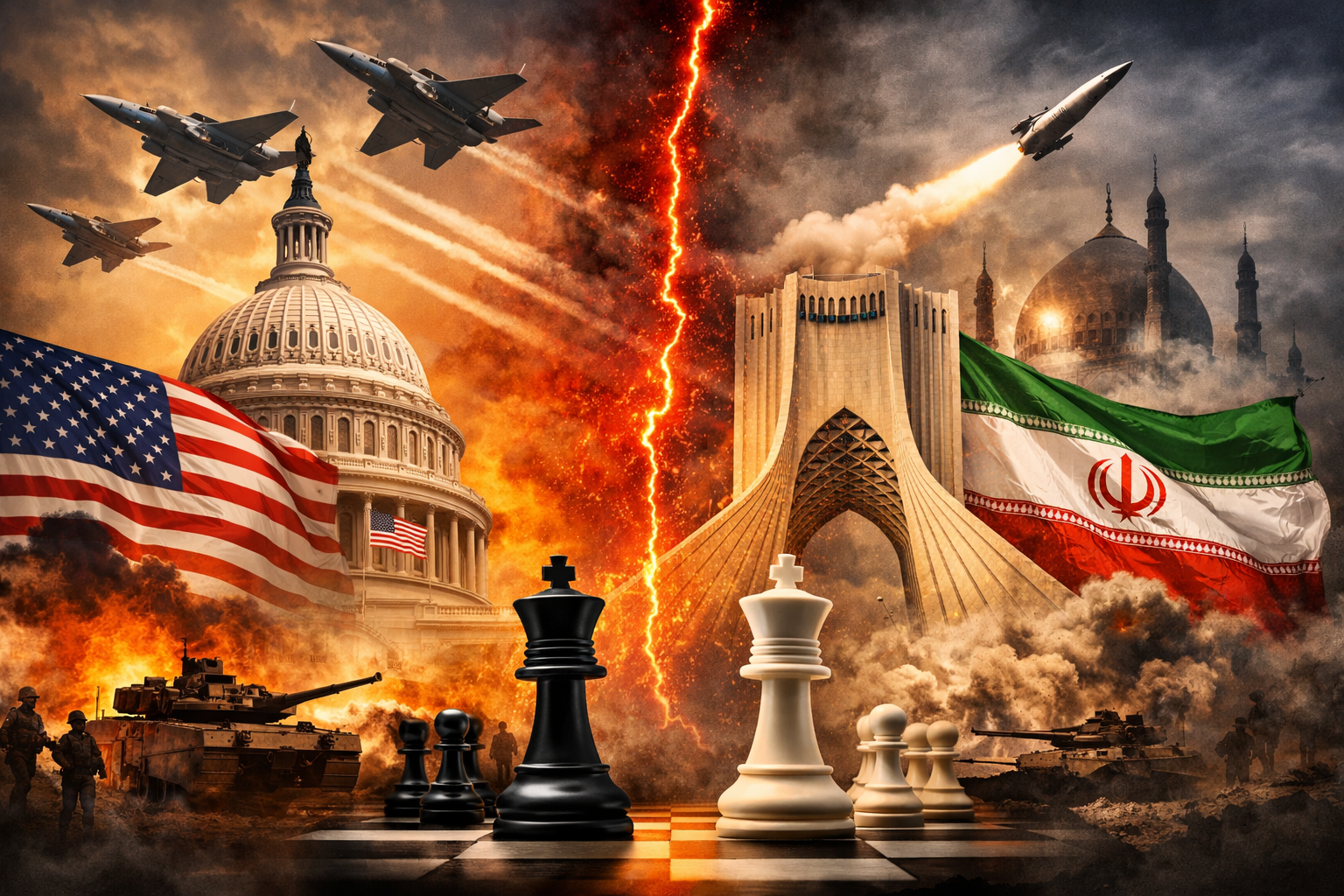
Washington / Middle East (Salmurux News) — Growing geopolitical tensions involving the United States, Iran, Russia, and Israel are increasingly shaping global energy markets, with oil prices reacting sharply to political developments, military operations, and diplomatic negotiations.
Analysts say the intersection of war strategy, economic pressure, and energy policy has turned the global oil market into a central arena of geopolitical competition.
Trump–Putin Communication and Oil Price Strategy
According to political analysis, communication between the leaders of the United States and Russia has been closely tied to efforts aimed at stabilizing global oil prices.
The discussions reportedly focused on:
- preventing extreme volatility in crude oil markets
- managing global energy supply
- and maintaining balance amid rising geopolitical tensions.
Global demand from major economies such as China and India continues to play a decisive role in shaping oil consumption and price dynamics.
These two economies account for a significant share of global energy demand, making their consumption patterns critical to market stability.
Iran Conflict and Regional Security Dynamics
The situation surrounding Iran remains one of the most sensitive geopolitical issues in the Middle East.
Analysts suggest that Iran has indicated willingness to halt military responses if attacks against it stop, potentially opening the door for a temporary ceasefire.
At the same time, regional security concerns extend beyond Iran. Strategic discussions increasingly include Lebanon and Hezbollah, which some observers view as a key factor in Israel’s broader security calculations.
Impact of Conflict on Global Oil Prices
Energy markets have reacted dramatically to developments in the region.
Recent fluctuations show that:
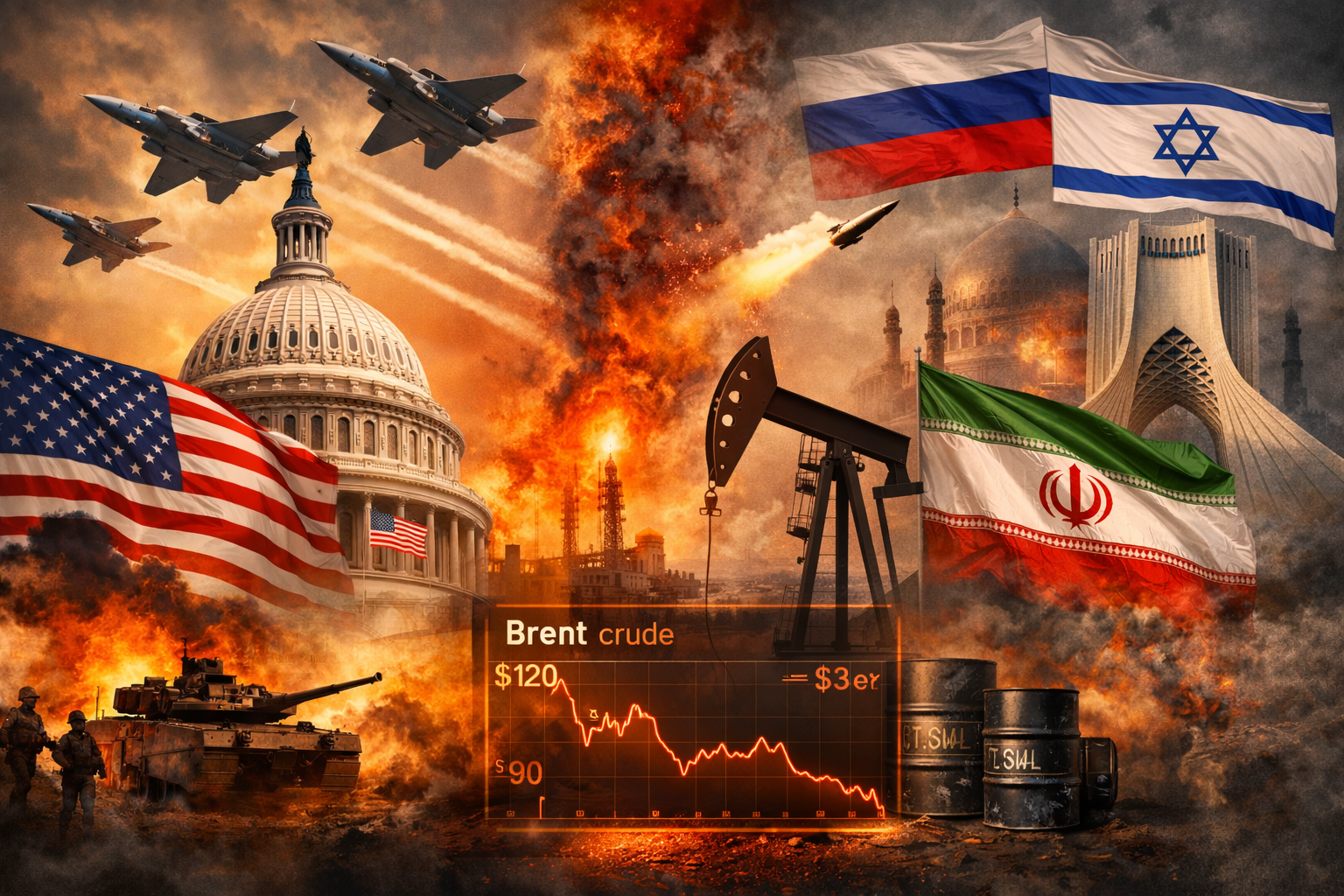
- Brent crude oil briefly surged to nearly $120 per barrel
- before dropping again to below $90 per barrel within a short period.
These price movements were driven by several factors:
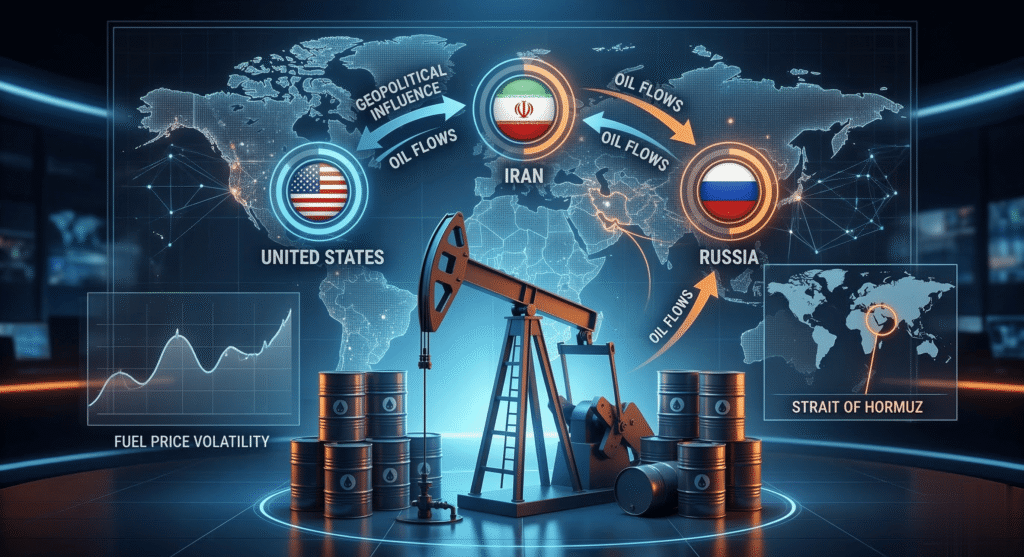
- fears of disruption in the Strait of Hormuz
- threats from Iranian military forces
- shifts in US energy policy.
The Strait of Hormuz is one of the most critical oil transit routes in the world, with approximately 20 million barrels of oil passing through it daily.
Any disruption there could have immediate global consequences.
Domestic Political Pressure in the United States
Domestic politics in the United States also plays a role in shaping energy and war policy.
Public opinion surveys suggest that:
- a majority of Americans expect higher gasoline prices in the coming months
- support for military escalation remains limited.
These political pressures could influence future policy decisions regarding both military engagement and energy strategy.
America’s Energy Strategy
Over the past decade, the United States has emerged as the world’s largest producer of oil and natural gas.
This shift reflects a long-term strategy aimed at:
- reducing dependence on foreign energy sources
- increasing influence over global energy markets
- strengthening economic and geopolitical leverage.
Energy independence has become a cornerstone of US strategic policy.
Future Outlook for Global Oil Markets
Energy analysts warn that oil prices are likely to remain highly volatile as geopolitical tensions continue.
Market forecasts suggest crude oil could trade between:
$75 and $105 per barrel in the near term.
Future price movements will largely depend on:
- whether diplomatic solutions reduce regional conflicts
- or whether military escalation intensifies tensions across the Middle East.
Conclusion
The evolving dynamics between Washington, Moscow, Tehran, and Tel Aviv illustrate how global energy markets are deeply intertwined with geopolitical strategy.
From oil price fluctuations to regional security concerns, the intersection of energy policy, diplomacy, and military conflict will continue to shape the global economic landscape