Muqdishu (Salmurux News)
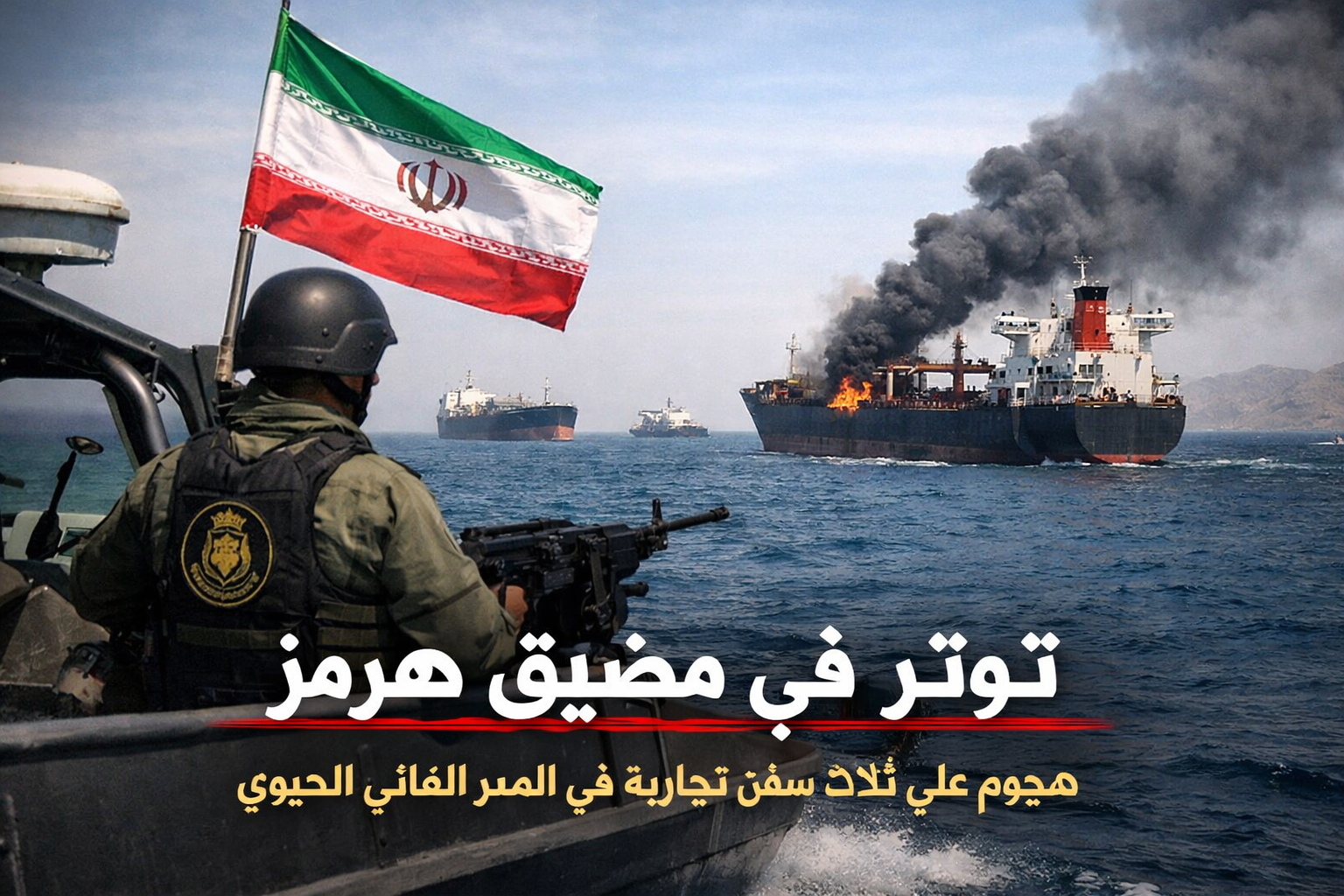
International maritime authorities have declared maximum alert after three commercial vessels were reportedly attacked in the Strait of Hormuz on March 11, in an incident that has significantly raised tensions in one of the world’s most strategic shipping corridors.
According to international maritime monitoring reports, the attacks occurred after the vessels allegedly ignored warnings from Iran’s Islamic Revolutionary Guard Corps (IRGC) Navy, which claimed that ships passing through the strait must coordinate with Iranian authorities.
The Strait of Hormuz is a critical global energy route through which millions of barrels of oil pass daily, making any security incident there a major concern for global trade and energy markets.
Coordinated Attacks Target Three Commercial Ships
Reports indicate that the strikes were carried out within a few hours of each other, suggesting a coordinated operation.
The vessels reportedly targeted include:
- Star Gwyneth – a cargo vessel linked to a Greek shipping company with Israeli investment ties
- Express Moor
- Maureenari – sailing under the Thai flag
Maritime reports suggest that the attacks caused limited structural damage, including small holes in the ships’ hulls and localized fires. However, none of the vessels were reported to be at risk of sinking, and crews were said to be safe.
One of the ships reportedly sustained a small puncture in its hull, while another experienced a fire that was quickly brought under control. All affected vessels were directed to nearby safe ports for inspection and repairs.
Iran’s Warning Over Control of the Strait
An Iranian Revolutionary Guard naval commander reportedly stated on social media that any ship wishing to cross the Strait of Hormuz must request permission from Iran.
The statement underscored Tehran’s position that Iran holds authority over security in the strategic waterway, a claim that is strongly disputed by many international actors who view the strait as an international shipping route governed by international maritime law.
Growing Military Escalation in the Region
The maritime incidents occurred amid rising military tensions in the region.
Reports indicate that the United States military recently destroyed 16 Iranian boats allegedly capable of laying naval mines near the Strait of Hormuz.
In response, Iran claimed it had launched missiles targeting an American-linked site in Dammam, eastern Saudi Arabia, signaling a potential widening of the confrontation.
Shipping Industry on High Alert
The attacks have triggered widespread concern across the global shipping industry, with several companies increasing security measures for vessels operating in the Gulf.
According to maritime monitoring data, some ships passing through the area have reportedly manipulated their Automatic Identification System (AIS) signals to hide their true locations, reflecting growing fears of further attacks.
Meanwhile, shipping activity continues in the region, including the reported movement of millions of barrels of Iranian oil exports heading toward China through the same waterway.
Strategic Importance of the Strait of Hormuz
The Strait of Hormuz is widely considered one of the most important chokepoints in global maritime trade. Any disruption to shipping in the area could have serious implications for global oil supply and international commerce.
Security analysts warn that continued escalation could increase risks for commercial shipping and energy markets worldwide.
✔ For more updates and in-depth analysis, visit:
Salmurux.com